
Brunei: The history of the Brunei Sultanate
At its height, the Sultanate of Brunei's influence extended across much of Borneo's coastline and into the Philippines. Today, it remains one of the few sultanates still in existence, with a history stretching back centuries before its modern borders were drawn.
Begin with the history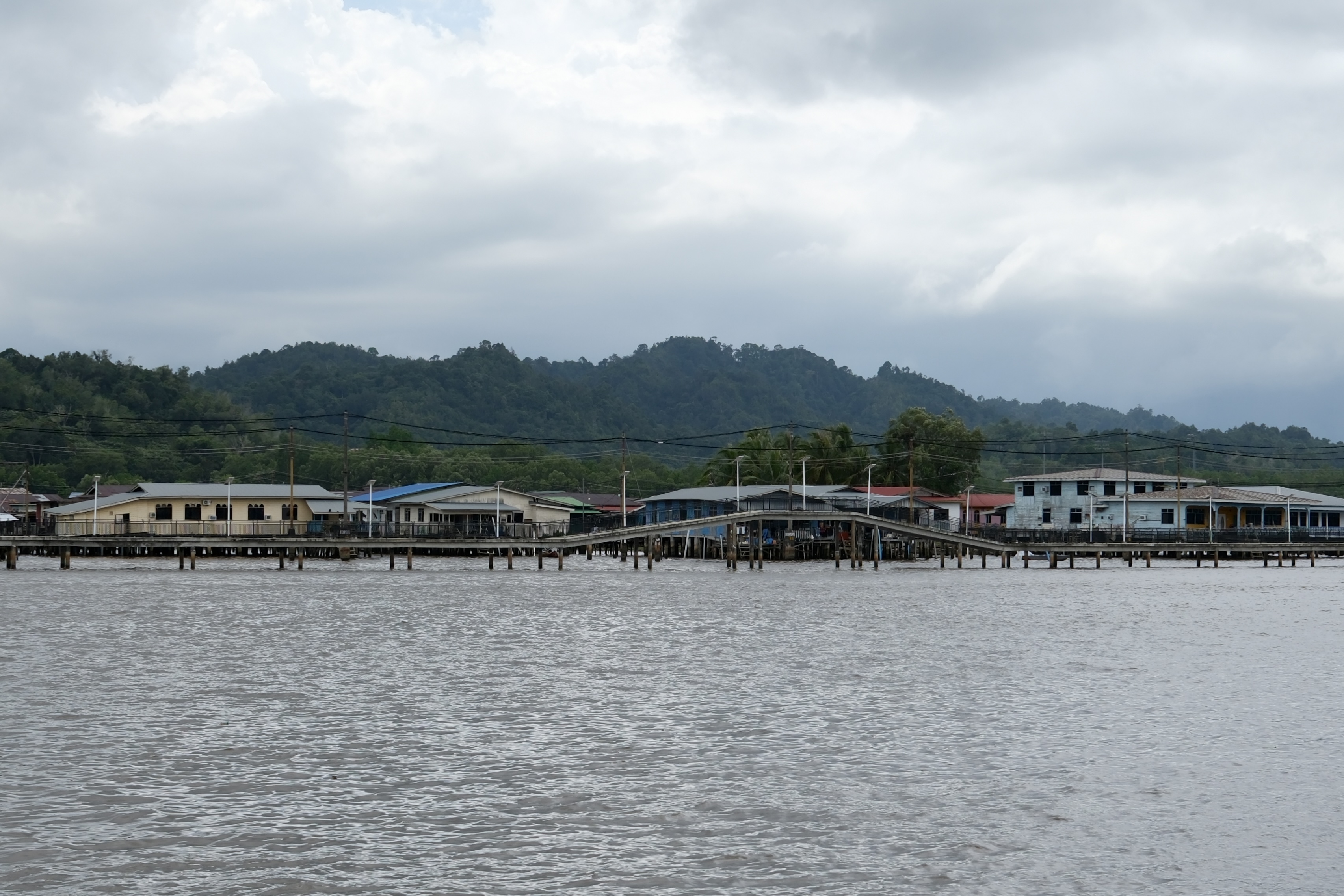
Historical overview
The Sultanate of Brunei rose to significant regional power between the 14th and 16th centuries, controlling extensive coastal territory across Borneo through trade and political alliance. Its influence gradually receded through the 19th century as European colonial powers, chiefly Britain, expanded their presence in the region, eventually reducing Brunei to its current borders. Brunei became a British protectorate before gaining full independence in 1984.
People and culture
Brunei's population is predominantly Malay, with significant indigenous communities including the Dusun, Murut, and Iban, alongside long-established Chinese communities. Islamic tradition plays a central role in Brunei's national identity and governance, shaping much of its cultural and historical narrative.
Traditions and heritage
From royal ceremonial traditions tied to the Sultanate to traditional water village life in Kampong Ayer, one of the largest stilt settlements in the world, Brunei's heritage reflects both its maritime trading past and its living monarchy.
Historical places and landmarks
Kampong Ayer, the Sultanate's historic royal and religious sites, and remnants of Brunei's earlier maritime trading empire all offer insight into a history that predates its modern national borders by centuries.
Stories from Brunei
People · Places · Cultures
Events · Records · Time


Borneopedia’s regional entries are in development. The link introduces the knowledge project; a searchable collection is not yet available.