
Singapore: From Temasek to a modern city-state
Singapore's history extends well beyond its establishment as a British trading settlement in 1819. Known as Temasek during the 14th century, the island occupied an important position within regional maritime networks. Its development under British colonial administration and subsequent independence in 1965 shaped the modern city-state.
Begin with the history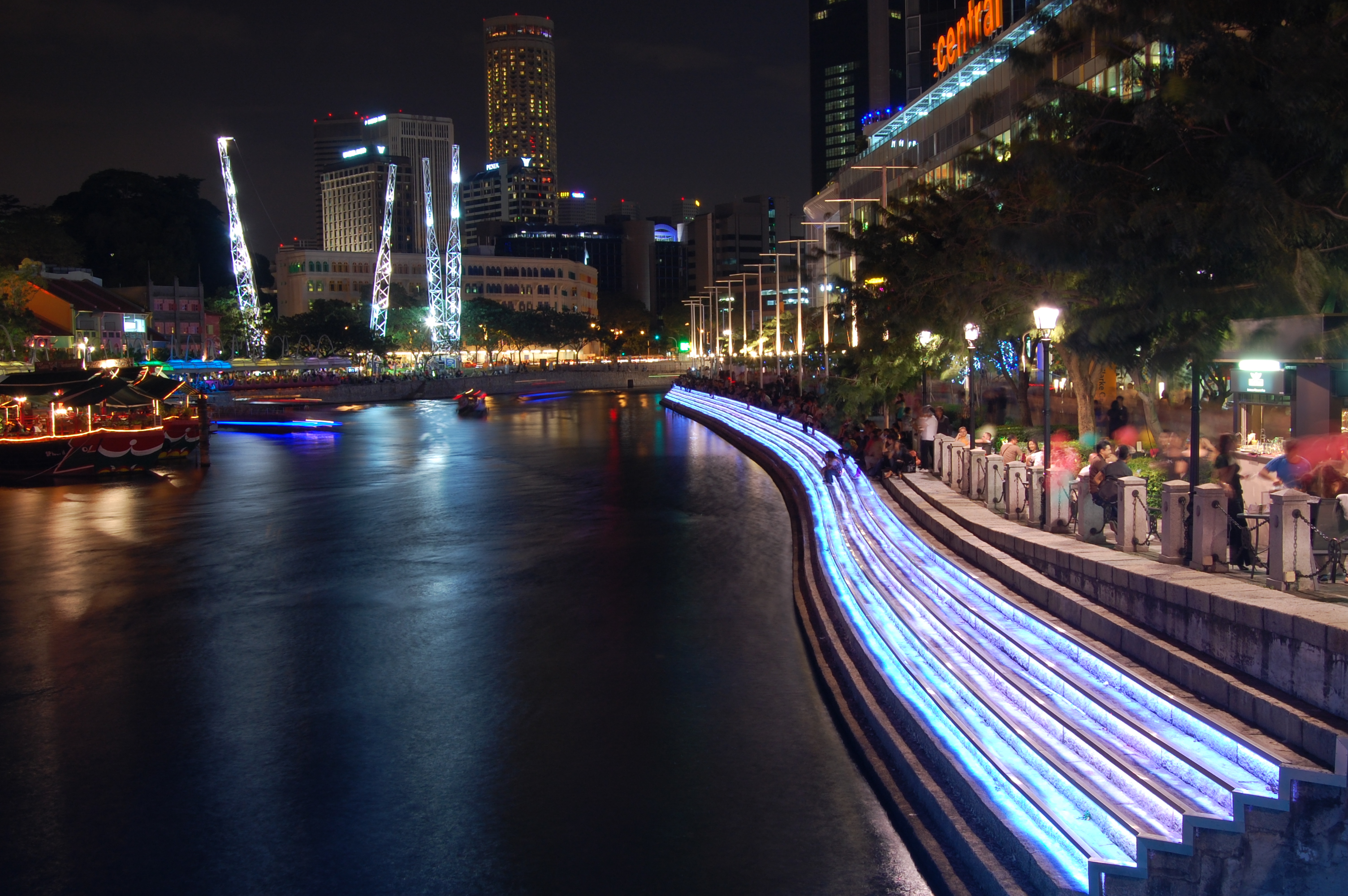
Historical overview
Archaeological discoveries and historical records indicate that Singapore was an established trading settlement by the 14th century. Known as Temasek, it maintained connections with other centres of maritime Southeast Asia.
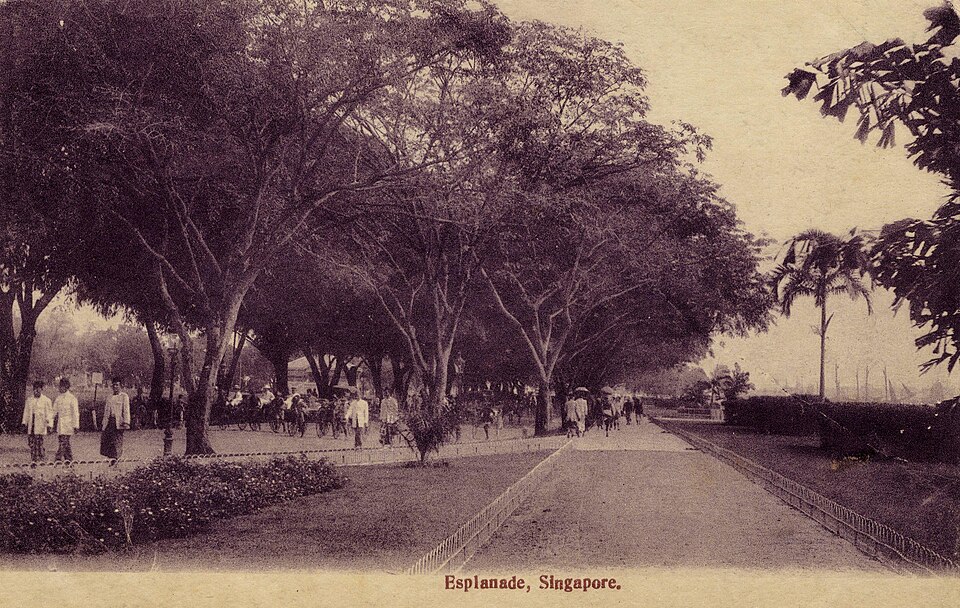
In 1819, Stamford Raffles established a British East India Company trading post through an agreement with Sultan Hussein Shah and Temenggong Abdul Rahman. The settlement subsequently developed into a major colonial port.
Singapore joined the Federation of Malaysia in 1963 and became an independent republic in 1965. Its history reflects the influence of regional trade, migration and colonial administration on the development of the modern city.
The people of Singapore
Singapore's population developed through successive periods of settlement and migration, particularly during its growth as a commercial port.
Malay communities, including the Orang Laut, were present before British colonisation. Migration during the colonial period contributed to the development of substantial Chinese and Indian communities.
The island is also home to Peranakan communities whose cultural traditions developed through generations of interaction between local populations and settlers from different parts of Asia.
Cultural heritage and traditions
Singapore's cultural heritage reflects its history as a regional trading centre and a place of migration.
Peranakan traditions are particularly associated with the cultural exchange between local communities and settlers. Distinctive forms of language and material culture developed over several generations.
Malay and Indian heritage are also represented through the island's historic neighbourhoods and cultural institutions, which preserve records of community life and settlement.
Historical places and landmarks
The Singapore River was central to the development of the island as both an early trading settlement and a British colonial port.
Fort Canning preserves evidence of Singapore's earlier history, including archaeological material associated with the 14th-century settlement.
The historic districts of Kampong Glam, Chinatown and Little India provide further opportunities to examine the development of Singapore's communities.
Stories from Singapore
People · Places · Cultures
Events · Records · Time
Regional articles
Articles relating to this region will be added as our research and editorial collection develops. In the meantime, explore the wider collection of historical articles on Borneo and Southeast Asia.
Read the journalBorneopedia’s regional entries are in development. The link introduces the knowledge project; a searchable collection is not yet available.