
Thailand: The historical kingdoms of Siam
Thailand's history developed through the rise of powerful kingdoms that maintained extensive political and commercial relationships across Southeast Asia. The kingdoms of Sukhothai and Ayutthaya contributed to the development of Thai political institutions and cultural traditions. Their historical influence extended beyond the boundaries of present-day Thailand.
Begin with the history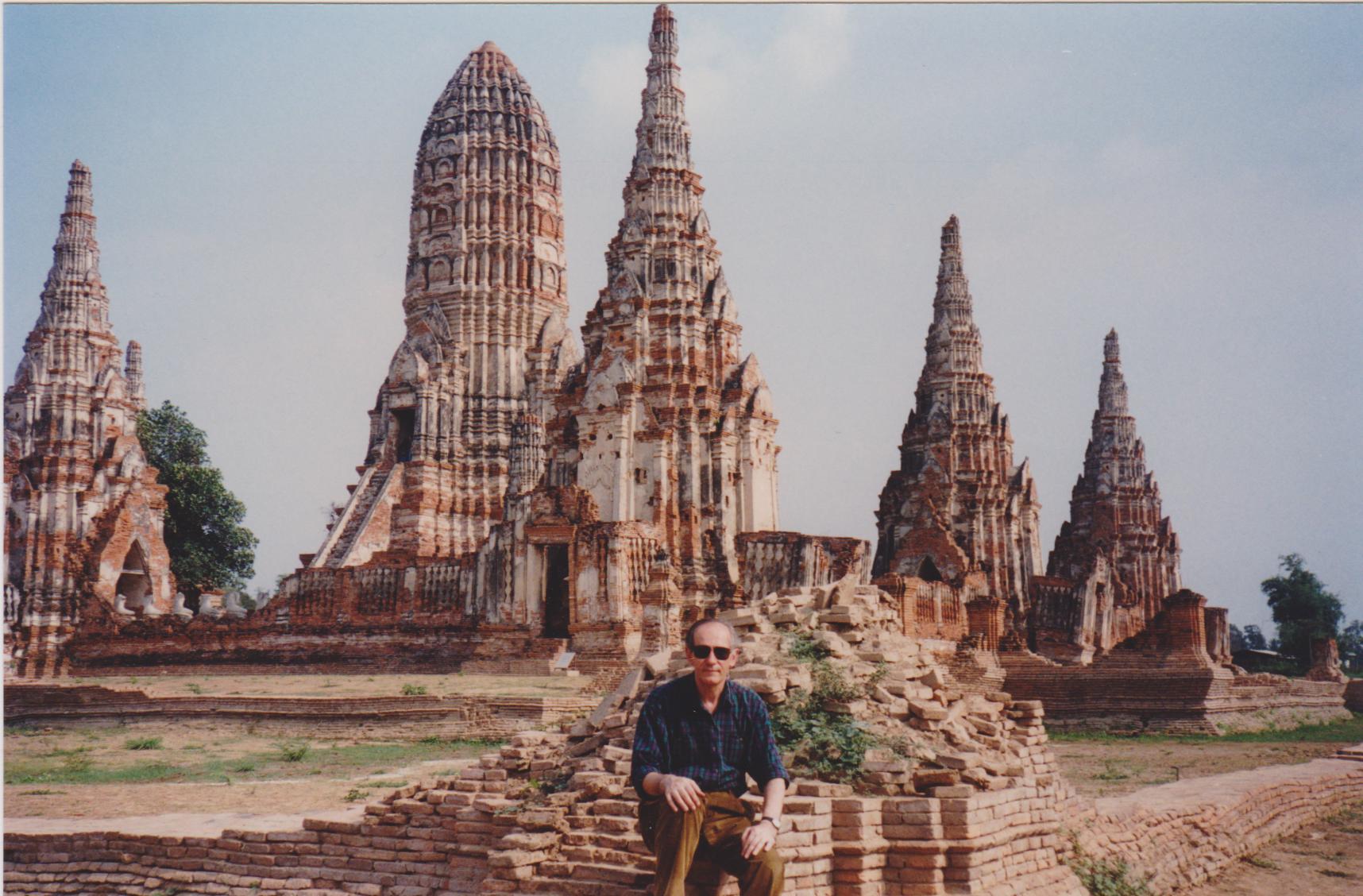
Historical overview
The history of present-day Thailand includes the development of several kingdoms with distinct political and cultural traditions.
Sukhothai emerged as an important kingdom during the 13th century and contributed to the development of early Thai art and architecture.
Ayutthaya became a major centre of regional commerce and diplomacy from the 14th century. Its extensive international trading relationships connected the kingdom with merchants and diplomatic missions from Asia and Europe.
Following Ayutthaya's destruction in 1767, a new political centre eventually developed in Bangkok under the Chakri dynasty.
The people of Thailand
Thailand's population includes communities with diverse linguistic and cultural backgrounds.
Central Thai communities played an important role in the development of the historical Siamese kingdoms. Other communities have maintained distinct traditions in different parts of the country.
The northern and southern regions also developed through interactions with neighbouring territories, including the historical Malay states.
These relationships contributed to the country's regional cultural diversity.
Cultural heritage and traditions
Buddhism has played an important role in the development of Thai cultural and artistic traditions.
The historical kingdom of Sukhothai produced distinctive religious architecture and sculpture. Its surviving monuments provide evidence of the development of Buddhist art during the period.
Ayutthaya subsequently developed architectural and artistic traditions influenced by its political relationships and international trade.
Historical places and landmarks
Sukhothai Historical Park preserves the remains of an early Siamese capital, including religious monuments and historical water-management structures.
The ruins of Ayutthaya document the development of a major capital that served as a centre of commerce and diplomacy for several centuries.
Both sites are recognised by UNESCO for their historical and architectural significance.
Stories from Thailand
People · Places · Cultures
Events · Records · Time
Regional articles
Articles relating to this region will be added as our research and editorial collection develops. In the meantime, explore the wider collection of historical articles on Borneo and Southeast Asia.
Read the journalBorneopedia’s regional entries are in development. The link introduces the knowledge project; a searchable collection is not yet available.