
Philippines: An archipelago of maritime communities
The Philippines has a history of settlement and maritime trade that predates European colonisation. Its early communities maintained relationships with neighbouring territories across Southeast Asia. Spanish colonial rule, followed by American administration and independence in 1946, contributed to the development of the modern Philippine state.
Begin with the history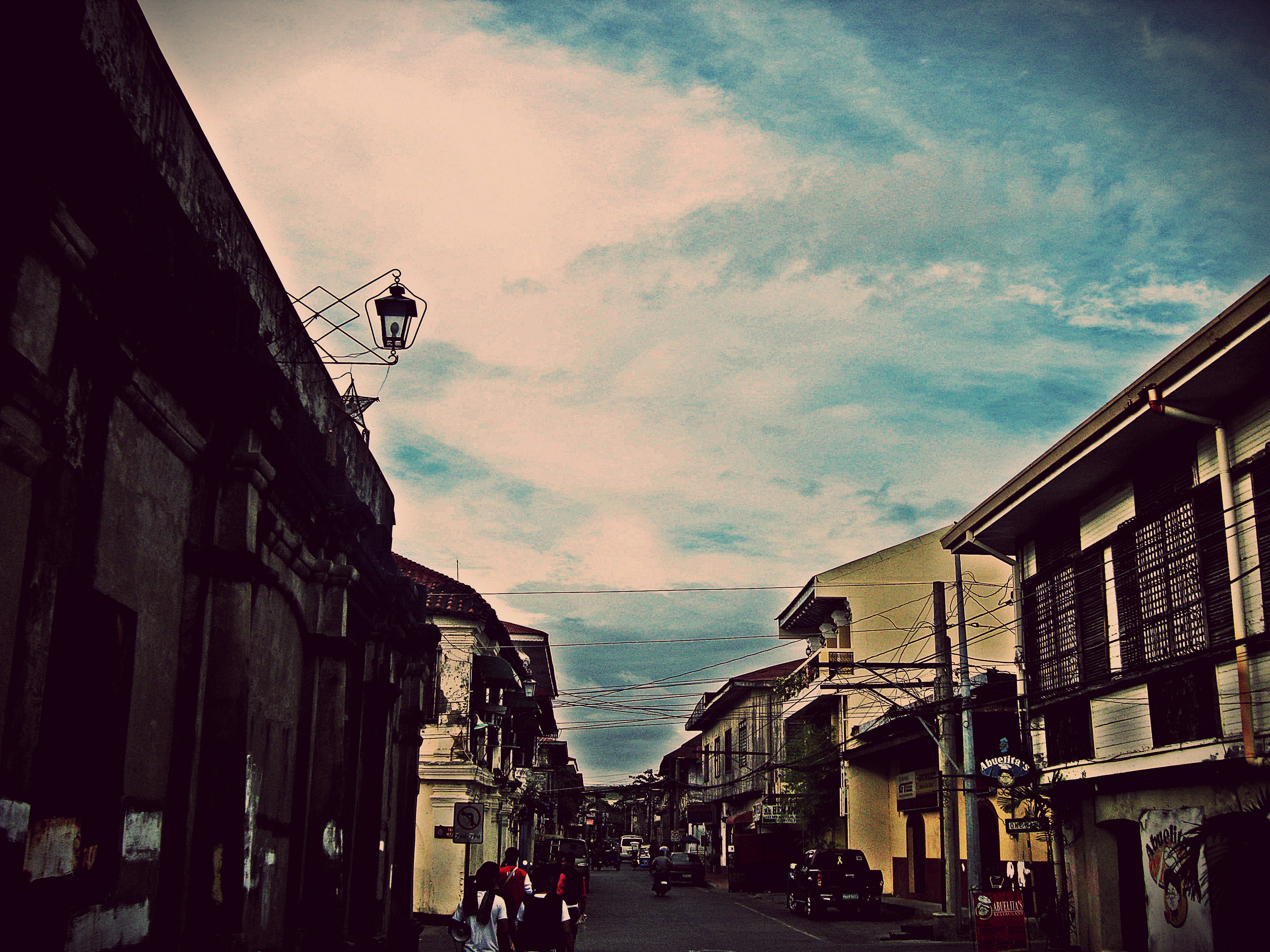
Historical overview
Before European colonisation, the Philippine archipelago was home to established communities involved in agriculture and maritime commerce.
Trading settlements developed relationships with other parts of Southeast Asia and maintained contact with merchants from China.
Spanish colonial rule began during the 16th century, with Manila established as the colonial capital in 1571.
Following the end of Spanish administration in 1898, the Philippines came under American rule. The country achieved independence in 1946.
Its historical development reflects both the earlier traditions of its communities and the subsequent influence of colonial administration.
The people of the Philippines
The Philippines is home to numerous ethnolinguistic communities with distinct historical traditions.
Tagalog communities have a long association with central and southern Luzon, while the Visayan peoples are associated with the central islands and neighbouring regions.
Mindanao is home to communities with established Islamic traditions, alongside other indigenous populations.
The Ifugao of northern Luzon maintain agricultural and cultural traditions associated with the mountainous Cordillera region.
Cultural heritage and traditions
The Philippines preserves cultural traditions associated with its diverse communities and historical experiences.
The Ifugao rice terraces represent a long-established agricultural tradition supported by inherited knowledge of irrigation and land management.
The Hudhud chants of the Ifugao are an important oral tradition performed during agricultural activities and community rituals.
Other cultural traditions reflect the historical influence of maritime trade and the development of Christianity during Spanish colonial rule.
Historical places and landmarks
The Rice Terraces of the Philippine Cordilleras provide evidence of the agricultural knowledge developed by the Ifugao communities.
Vigan preserves a historical urban landscape associated with Spanish colonial administration and earlier trading activities.
The city's architecture combines influences from Philippine, Chinese and European building traditions, providing evidence of cultural interaction over several centuries.
Stories from Philippines
People · Places · Cultures
Events · Records · Time
Regional articles
Articles relating to this region will be added as our research and editorial collection develops. In the meantime, explore the wider collection of historical articles on Borneo and Southeast Asia.
Read the journalBorneopedia’s regional entries are in development. The link introduces the knowledge project; a searchable collection is not yet available.