
Indochina: The historical kingdoms of mainland Southeast Asia
Indochina is a geographical term associated with mainland Southeast Asia. This section focuses on the territories of present-day Cambodia, Laos and Vietnam, which were brought together under French colonial administration during the late 19th century. Their histories developed through distinct kingdoms and cultural traditions long before the establishment of colonial Indochina.
Begin with the history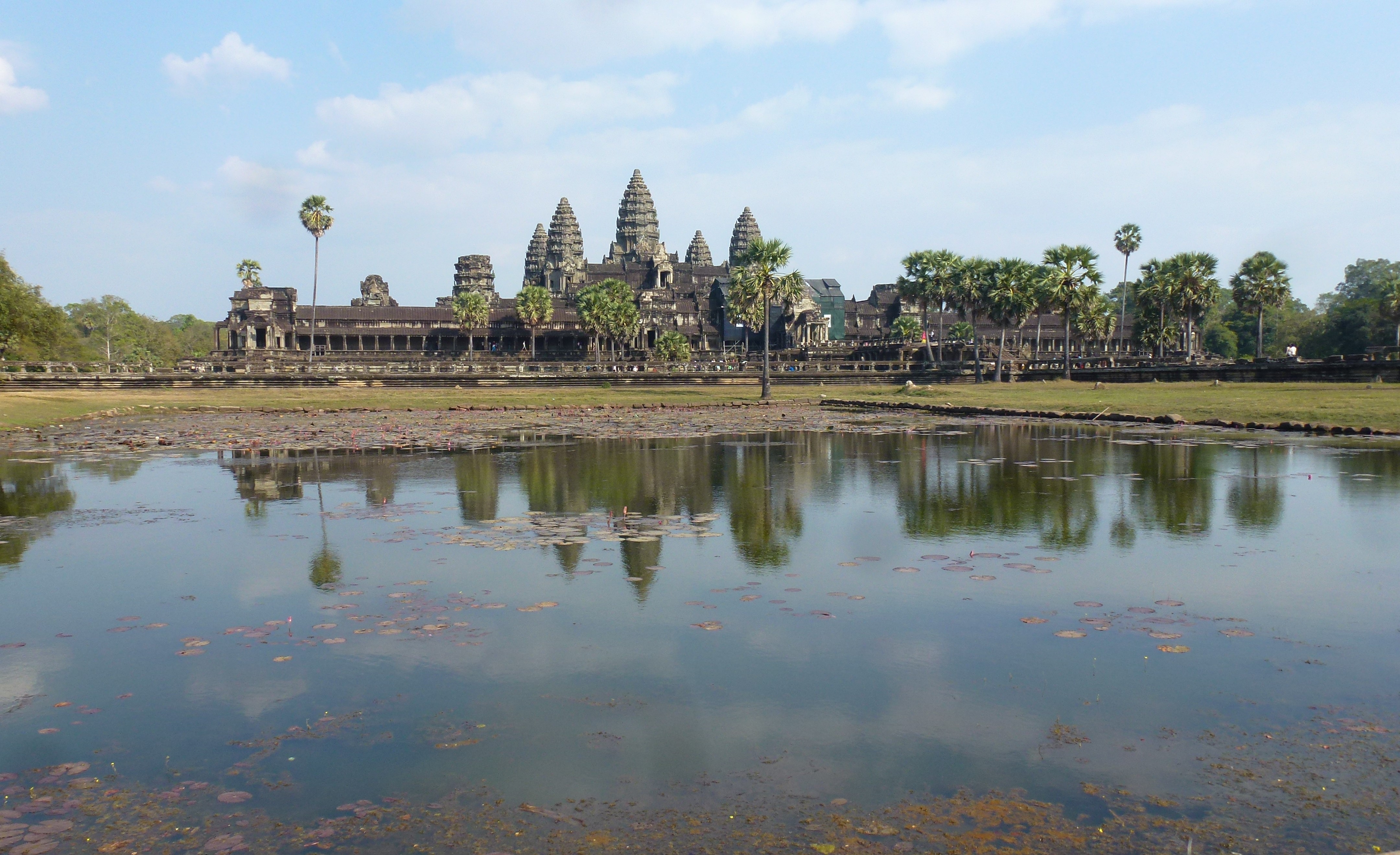
Historical overview
The history of Indochina encompasses the development of several important kingdoms across mainland Southeast Asia.
The Khmer Empire established Angkor as a major political and religious centre from the ninth century. In Laos, the kingdom of Lan Xang emerged during the 14th century, with Luang Prabang serving as an important royal centre.
Vietnam developed its own successive dynastic traditions, with Huế becoming the capital of the Nguyễn dynasty in 1802.
During the 19th century, French colonial expansion brought these territories under a shared administrative system. The subsequent struggle for independence and the conflicts of the 20th century shaped the development of the modern states.
The peoples of Indochina
The region is home to communities with distinct linguistic and historical traditions.
The Khmer people have a long association with the historical kingdoms of Cambodia. Lao communities developed cultural and political traditions associated with the Mekong River and the kingdom of Lan Xang.
Vietnam's history includes the development of Vietnamese communities and their interactions with neighbouring societies.
The region also includes numerous ethnic minority communities whose histories developed across present-day national boundaries.
Cultural heritage and traditions
Indochina's cultural heritage reflects the development of different religious and artistic traditions.
Angkor preserves the architectural achievements of the Khmer Empire, particularly its extensive temple complexes.
Luang Prabang retains a historical landscape associated with Lao Buddhist traditions and later French colonial architecture.
Huế preserves monuments associated with Vietnam's Nguyễn dynasty, including the former imperial city.
Historical places and landmarks
Angkor in Cambodia contains the remains of successive Khmer capitals, including Angkor Wat.
Luang Prabang in Laos preserves a historical urban landscape associated with the kingdom of Lan Xang.
The Complex of Huế Monuments in Vietnam documents the political and ceremonial centre of the Nguyễn dynasty.
These sites provide important material evidence for studying the historical development of mainland Southeast Asia.
Stories from Indochina
People · Places · Cultures
Events · Records · Time
Regional articles
Articles relating to this region will be added as our research and editorial collection develops. In the meantime, explore the wider collection of historical articles on Borneo and Southeast Asia.
Read the journalBorneopedia’s regional entries are in development. The link introduces the knowledge project; a searchable collection is not yet available.