
Kalimantan: The Indonesian region of Borneo
Making up the largest share of the island by land, Indonesian Kalimantan is home to some of Borneo's oldest indigenous cultures and river-based kingdoms, a history deeply woven into the broader story of the Indonesian archipelago.
Begin with the history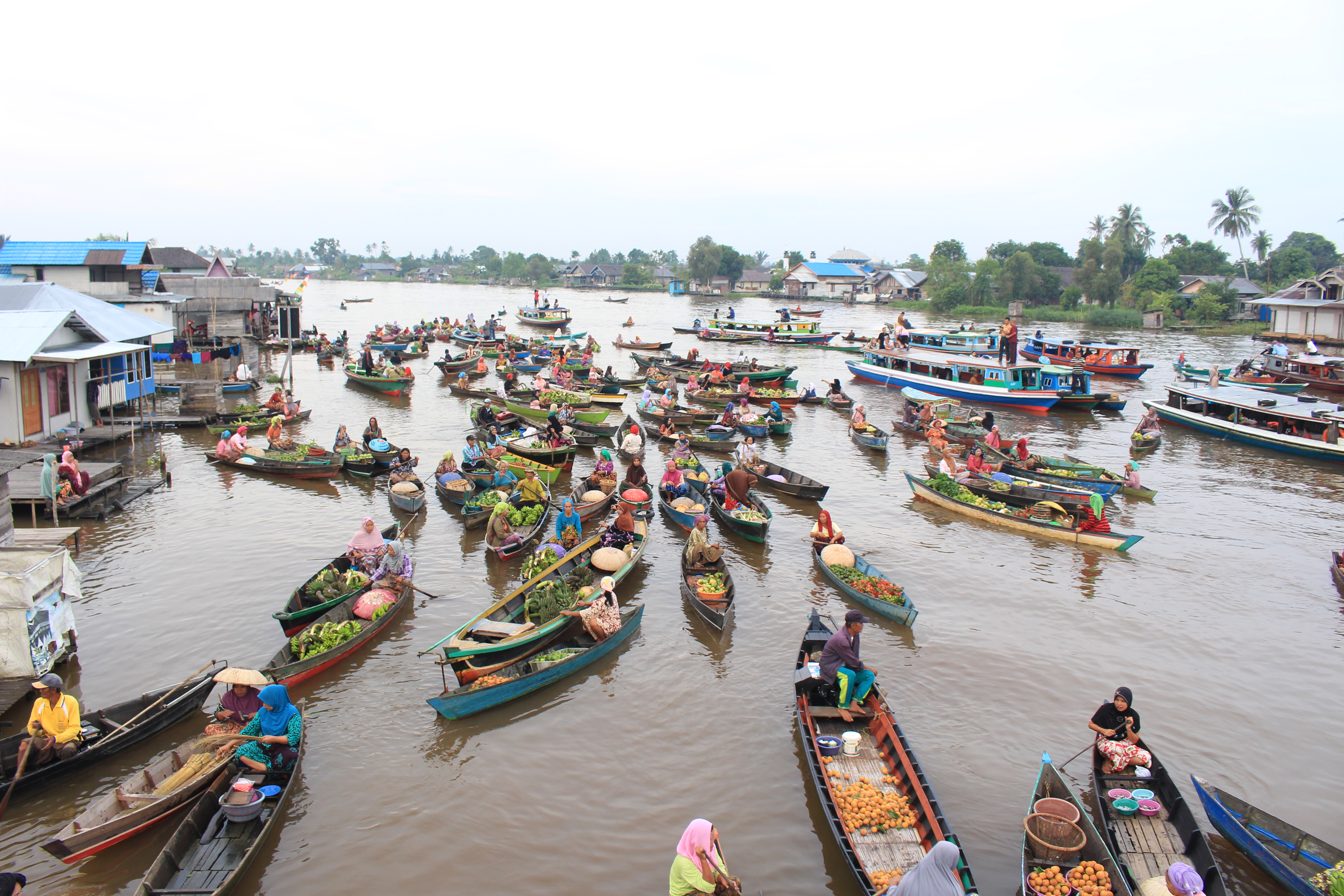
Historical overview
Kalimantan's history includes some of the earliest evidence of organised settlement on the island, along with a succession of river-based kingdoms and sultanates that flourished through trade in forest products and access to interior river systems. Dutch colonial administration brought Kalimantan under the broader control of the Dutch East Indies from the 19th century, a history that would later shape its incorporation into independent Indonesia following the Second World War.
People and Communities
Kalimantan is home to the Dayak peoples, an umbrella term for numerous distinct indigenous groups, including the Ngaju, Iban, Kenyah, and many others, alongside Malay, Banjar, and Chinese communities with long histories of trade and settlement along the island's major rivers.
Indigenous Cultures, Traditions, and Heritage
Dayak longhouse traditions, river-based ways of life, and rich oral and artistic traditions, from woodcarving to traditional tattooing, remain central to Kalimantan's cultural identity, alongside a strong historical relationship between communities and the surrounding rainforest.
Historical places and landmarks
Ancient river settlements, remnants of early Kalimantan sultanates, and Dutch colonial-era sites across the region offer a window into a history shaped as much by the island's rivers as by its coastline.
Stories from Kalimantan
People · Places · Cultures
Events · Records · Time


Borneopedia’s regional entries are in development. The link introduces the knowledge project; a searchable collection is not yet available.