
Sabah: The land below the wind
Once known as North Borneo, Sabah's history moves through indigenous communities and the influence of neighbouring sultanates, a chartered colonial company, wartime occupation, and its eventual place within the Federation of Malaysia, shaped throughout by the diversity of its indigenous peoples.
Begin with the history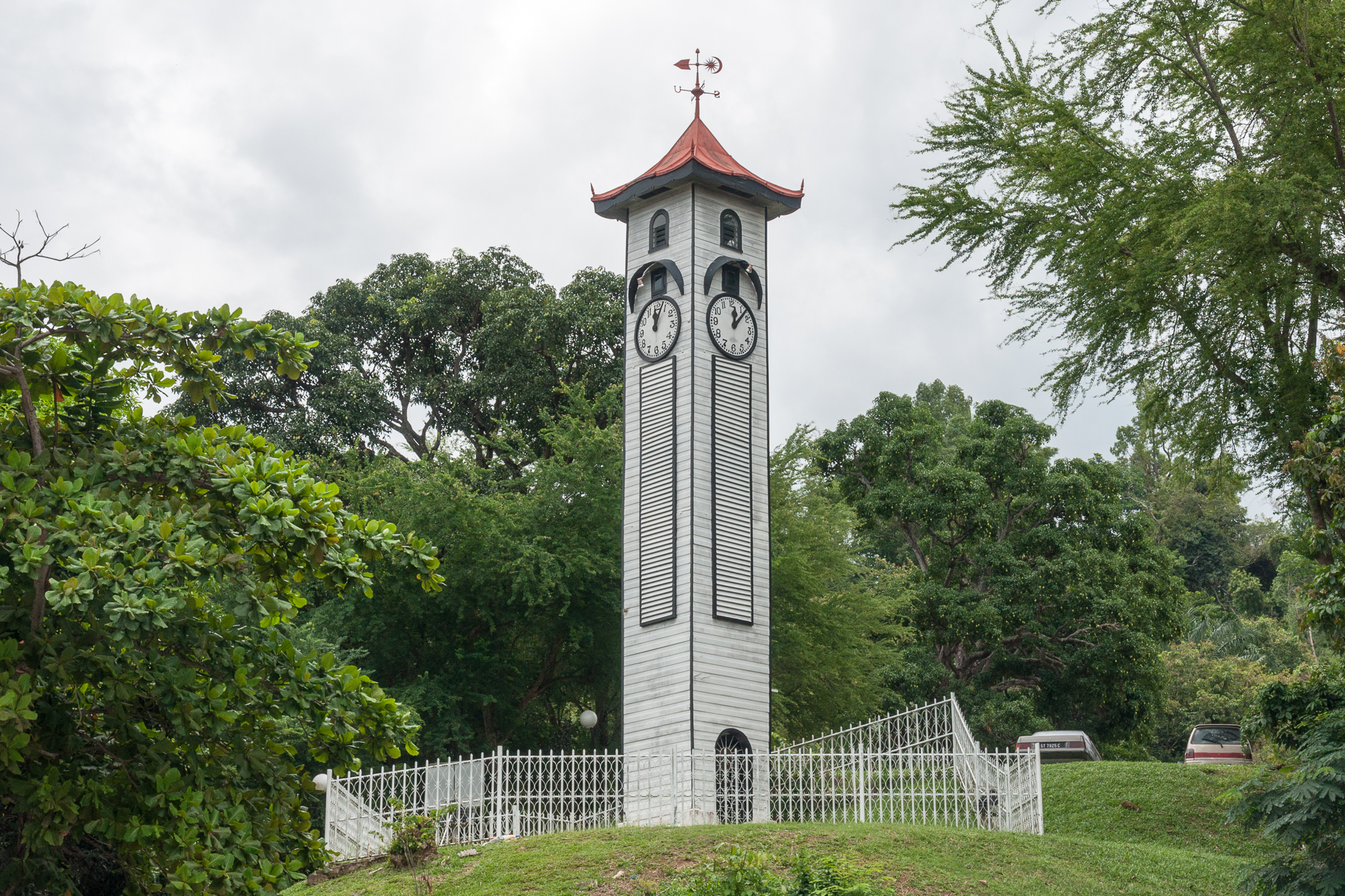
Historical overview
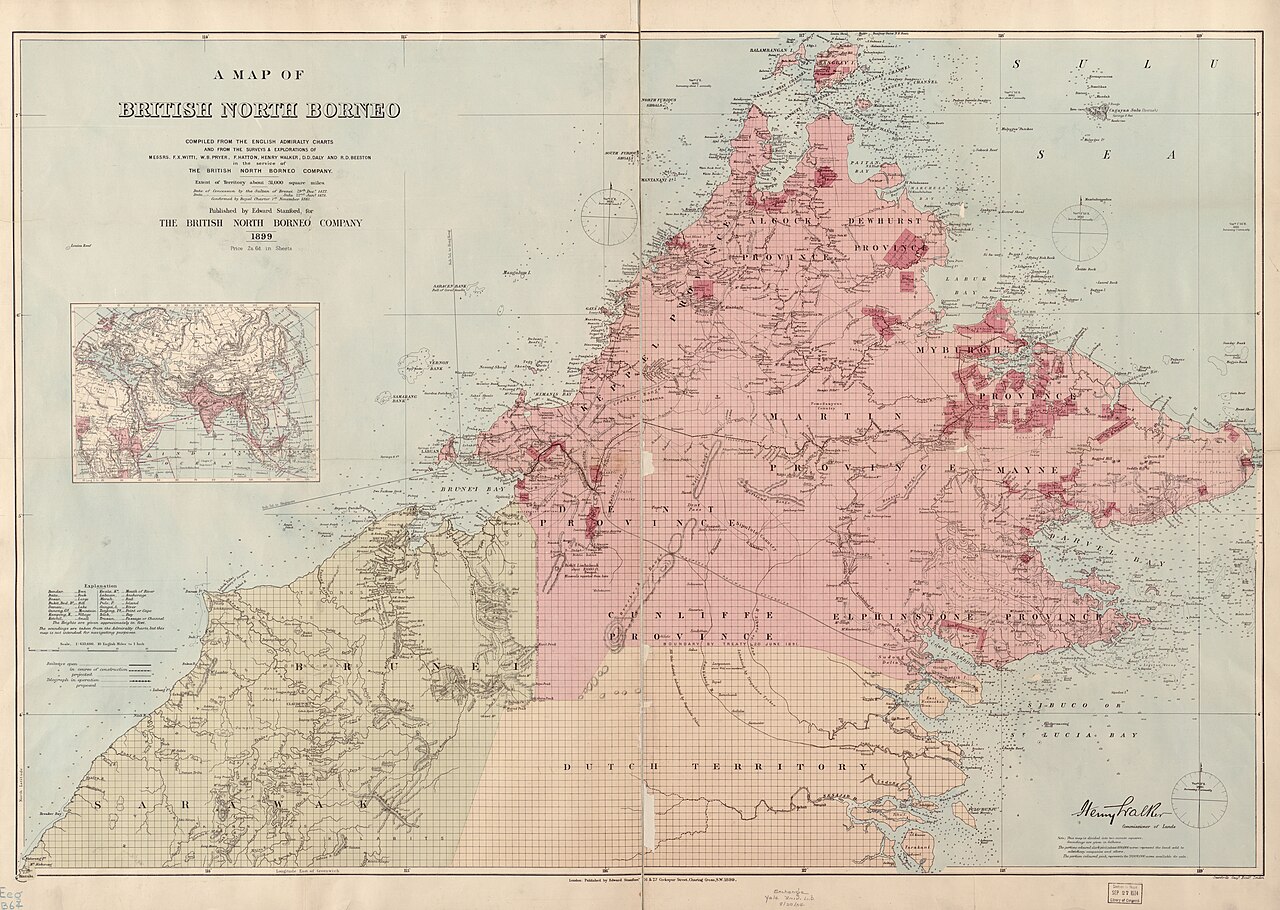
Sabah's written historical record includes centuries of trade and settlement by coastal and interior communities, periods of influence from neighbouring sultanates, and, from the late 19th century, administration under the British North Borneo Chartered Company, followed by direct British colonial rule after the Second World War. Sabah became part of the Federation of Malaysia in 1963, alongside Sarawak and Singapore. Each period left its mark, in place names, legal documents, architecture, and the layered identity of the state today.
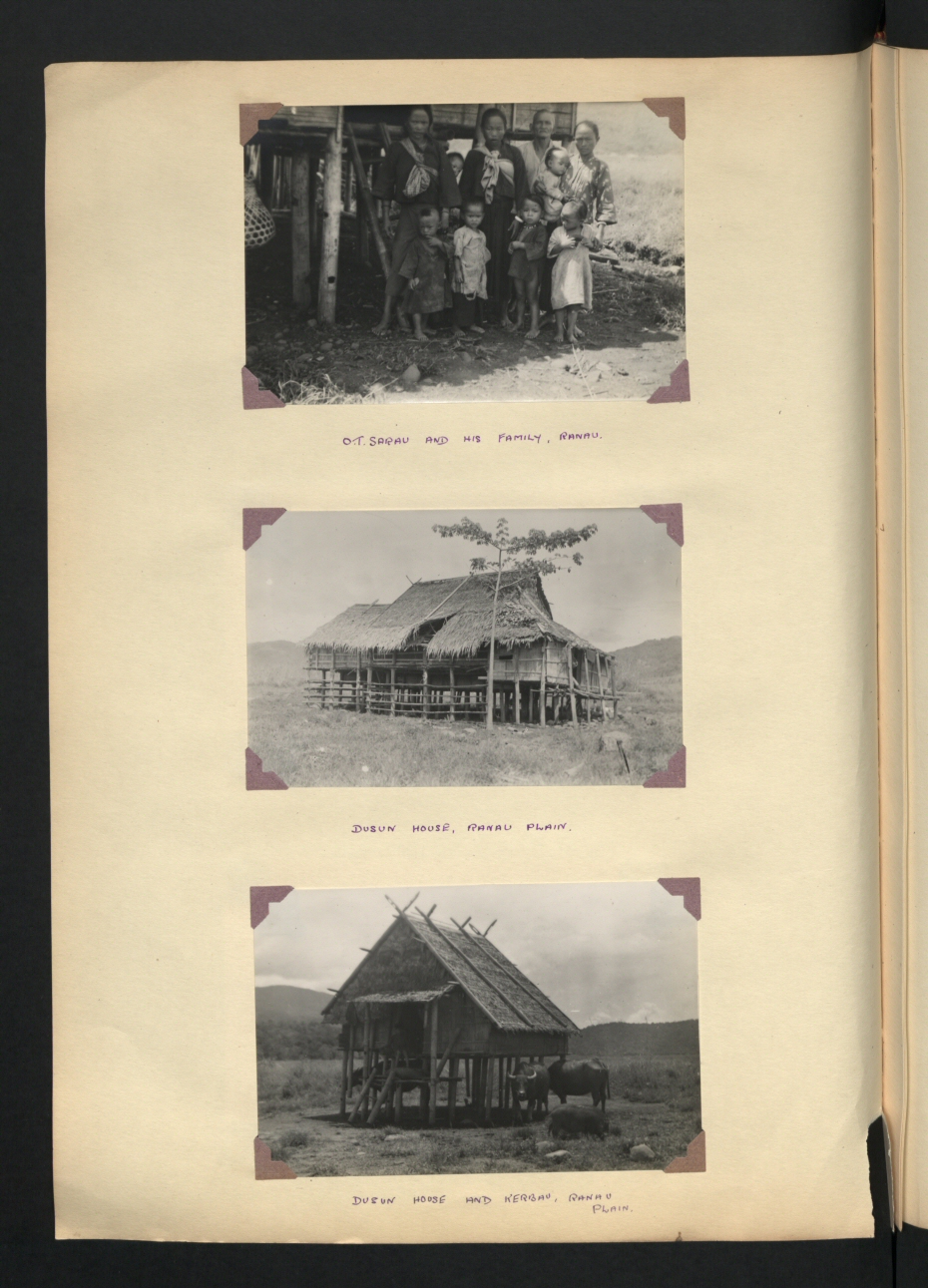
The people of Sabah
Sabah is home to more than 30 distinct indigenous ethnic groups, including the Kadazan-Dusun, Bajau, Murut, and many others, alongside communities of Chinese, and other settler heritage that arrived through trade and migration over generations. This diversity is central to Sabah's identity, reflected in language, custom, and celebration, most visibly during the annual Kaamatan (harvest) festival.
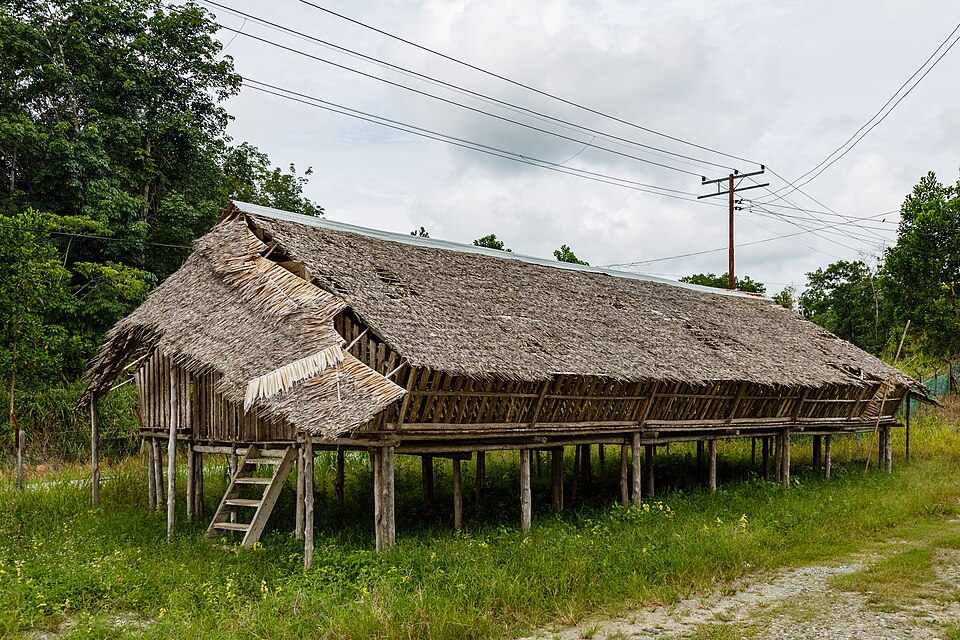
Culture, tradition, and heritage
From traditional longhouses and ceremonial dress to distinct languages and harvest rituals, Sabah's indigenous cultures remain a living part of daily life, not simply a historical footnote. Documenting these traditions, through both academic research and direct community engagement, is central to Borneo History's field work in the state.
Places and landmarks
Historic sites across Sabah, from colonial-era buildings in Kota Kinabalu and Sandakan to wartime memorials and traditional village sites, carry physical evidence of the state's layered past. Borneo History's regional heritage projects currently map historical sites across Kota Kinabalu, Sandakan, Tawau, Lahad Datu, Kudat, Ranau, Keningau, and Beaufort.
Stories from Sabah
People · Places · Cultures
Events · Records · Time

Borneopedia’s regional entries are in development. The link introduces the knowledge project; a searchable collection is not yet available.